Sciatica is compression of the sciatic nerve which results in pain radiating down the back or side of the leg. It is commonly caused by nerve root compression at various levels in the spine or inflammation in the the sciatic nerve itself.
Symptoms associated with sciatica are low back pain, numbness or tingling down the leg as far as the foot, and weakness of the affected areas.
The sciatic nerve originates in the low back at spinal nerve levels from L4 to S3. It goes through the pelvis, then down to the knee, where it branches out into the tibial and peroneal nerves. The tibial nerve travels through the posterior lower leg, and the peroneal nerve travels down the lateral part of the lower leg. This nerve pathway explains why people can experience numbness and tingling all the way down the leg when they have sciatica.
Causes of Sciatic Pain
- Lumbar disc problems - degeneration, herniation
- Reduces cushioning between spinal vertebrae which causes pain and nerve compression
- Spinal stenosis
- When the spinal canal narrows it can cause nerve compression
- Spinal vertebrae fracture
- Causes misalignment of the spine and can impact nerves
- Pregnancy
- There is increased pressure and a realignment of the hips that can create sciatic pain
- Tight muscles (Piriformis Syndrome)
- Muscles that surround the sciatic nerve can press on it when they are tight
- Sitting or driving too much can cause tightness in muscle that surround the sciatic nerve
Piriformis Syndrome & Pseudo-Sciatica
Another reason that the sciatic nerve can be compressed is due to tight muscles around it that press on it. This can mimic the sciatica pain felt down the leg from spinal nerve root compression but it not due to spinal compression or nerve inflammation. Dr. Janet Travell identified trigger point patterns in the piriformis and gluteus minimus muscles that can mimic sciatic pain.
The piriformis muscle is located right above the sciatic nerve in most people. If that muscle gets tight or inflamed it can press on the sciatic nerve and cause pain, tingling, and numbness down the back of the leg. This condition is known as piriformis syndrome and it more of a muscle issue than a nerve issue.
The gluteus minimus muscle is the deepest of the gluteal muscles and is located on the outer hip. When that muscle forms a trigger point, it can cause a referral pattern down the side of the leg which Dr. Travell calls “pseudo-sciatica.”
How Acupuncture Can Help
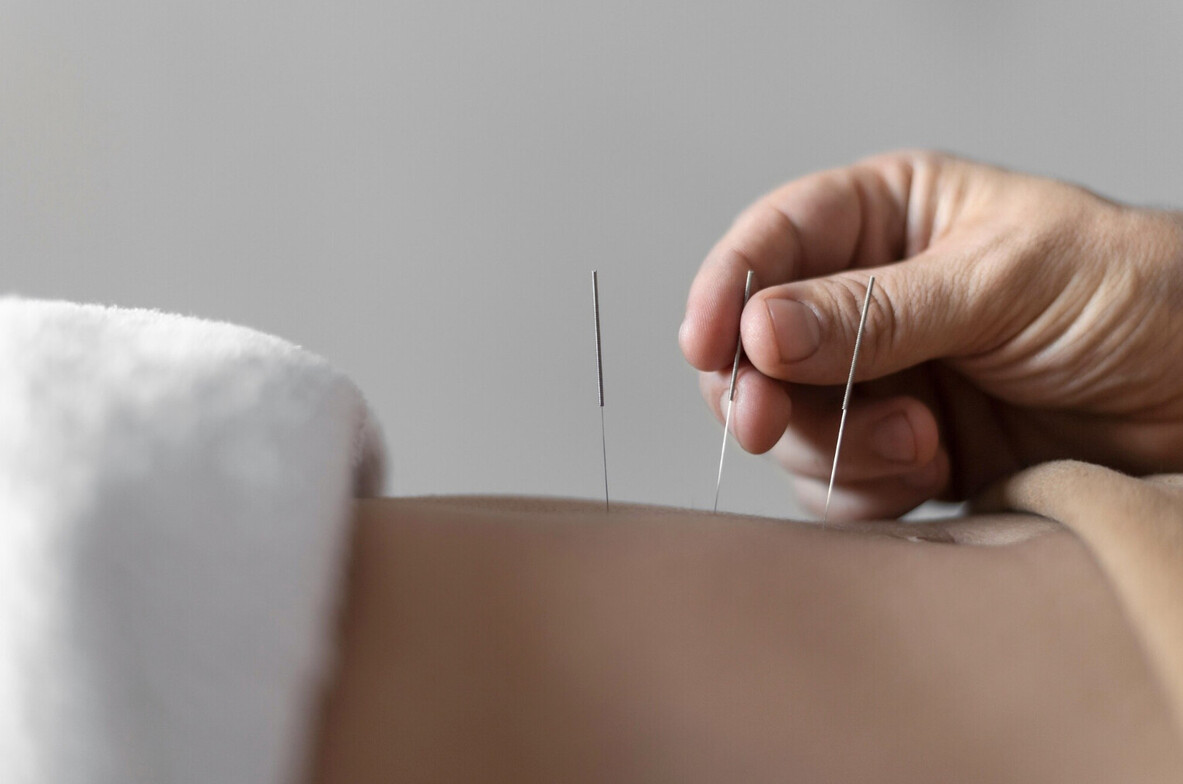
Sciatica Acupuncture works by relaxing tight muscles, improving blood circulation, regulating the nervous system, and releasing neurotransmitters to reduce pain.
Acupuncture has been shown to be an effective treatment for sciatica without the side effects of prescription pain medications like NSAIDs and muscle relaxers. It is also a safe, non-surgical treatment option that can relieve sciatica pain. A review performed on acupuncture for sciatica found that acupuncture improved sciatica symptoms better than non-steroidal anti-inflammatory drug (NSAID) treatment. Acupuncture also helps enhance the effects of medications that may be prescribed for sciatica so it can help reduce the dosage and mitigate the side effects.
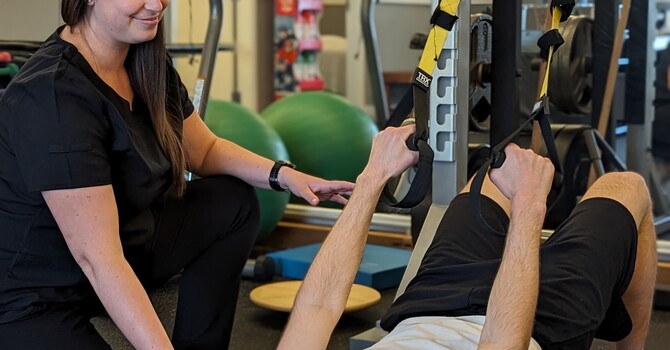
Exercises for Sciatica
- Swimming
- Gluteal stretching
- Plank and side plank
- Clamshell
- Hip extension exercises
- Resisted hip abduction
- Leg and core strengthening
Now you might be wondering how many treatments do I need?
For chronic pain, it may take up to 2 or 3 sessions to notice the pain subside. My goal is to make an initial change on your first visit, but it’s very likely you need more than one treatment
Want to learn more or book an assessment with Doreen Hill in Nanaimo?
Contact Island Optimal today and take the next step toward better movement and health
.jpg)